
Mark Burnham, Esq.
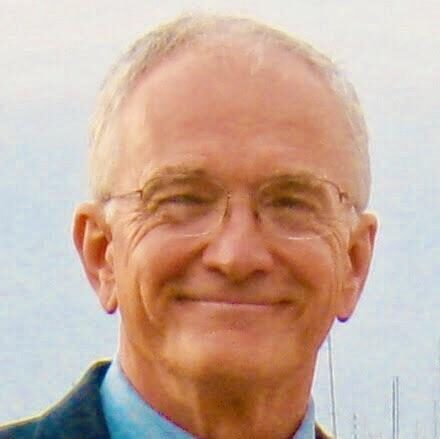
Mark Burnham is a graduate of Suffolk University Law School and practiced law for 33 years as a civil trial attorney in Rhode Island. Since retiring he has been involved in guided tours at the Stephen Hopkins House in Providence, RI. He has also led walking tours for the Center for Reconciliation on College Hill in Providence, describing the 300 plus year involvement of Providence in the International Slave Trade.
Robert A. Geake
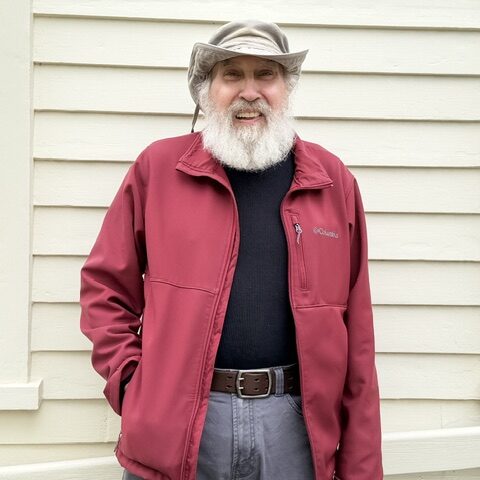
Robert A. Geake is a public historian and the author of sixteen books on Rhode Island and New England history, including From Slaves to Soldiers: The First Rhode Island Regiment in the American Revolution. Other books include A History of the Narragansett Tribe: Keepers of the Bay, Native and New Americans, New England’s Citizen Soldiers: Mariners and Minutemen, Fired A Gun at the Rising of the Sun: The Journal of Noah Robinson of Attleboro in the Revolutionary War, and New England in the American Revolution.
Marilyn Harris
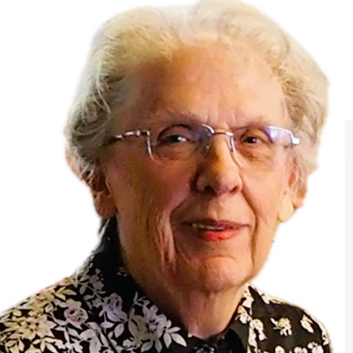
Marilyn Harris is an often-transplanted Midwesterner, born and raised in Central Illinois, although now a New Englander for almost 40 years. She received her B.A. in the Teaching of Social Studies from the University of Illinois and her M. Ed from Kutztown University in Pennsylvania. Marilyn has been involved in some aspect of education for most of her life, including as coordinator of federal ESEA III projects, teacher and program director of Canton, MA’s gifted/talented program, teacher at Milton (MA) Academy Saturday Course, co-founder and teacher of an enrichment program developed for North Kingstown (RI) schools, curriculum developer, teacher trainer, and researcher/author of teaching materials. She is a National Board-Certified Teacher.
John McNiff
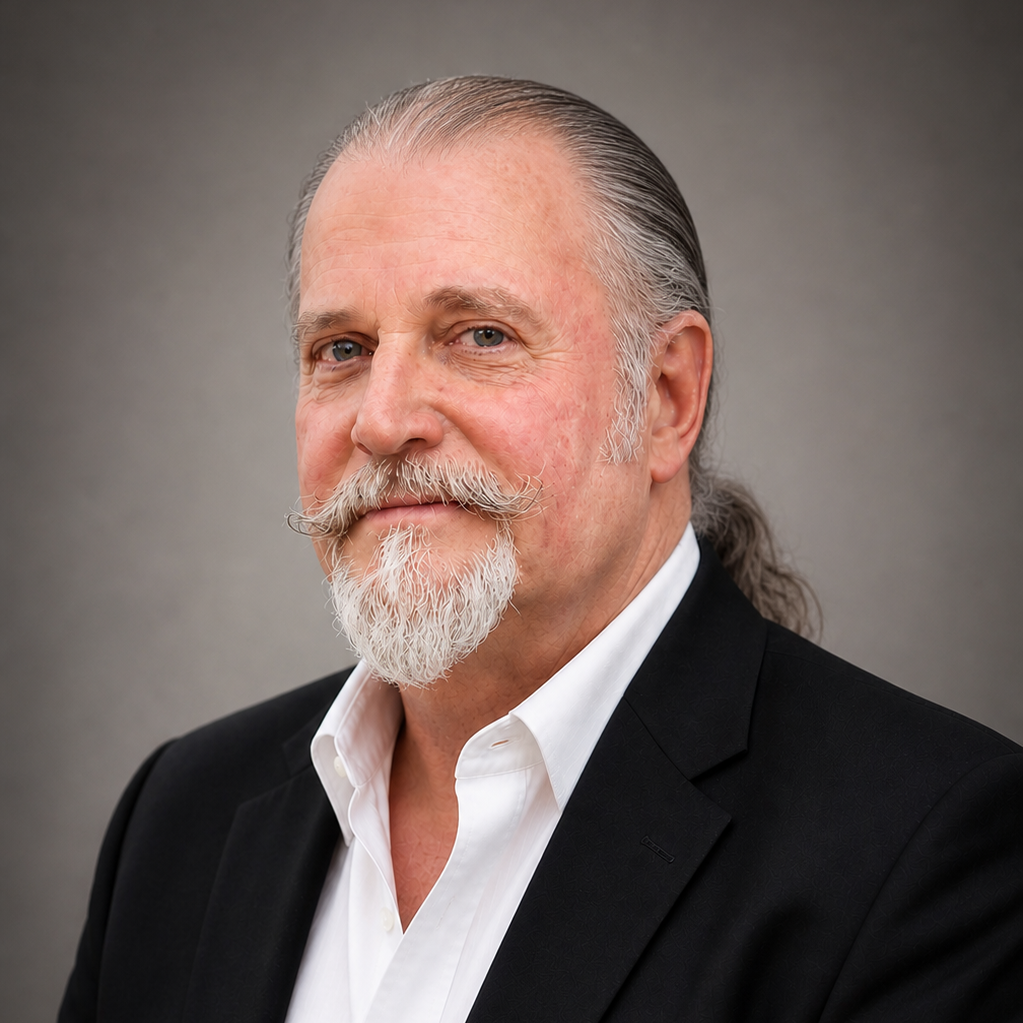
John McNiff is a Rhode Island historian, archaeologist, storyteller, and performer whose work brings early New England to life. As a National Park Service Ranger at the Roger Williams National Memorial, McNiff became the site’s content expert, spending nearly three decades interpreting the turbulent world of Roger Williams, colonial settlement, and Native-European contact for modern audiences. Equally at home in an archaeological trench, on a theater stage, as a historical reenactor, or in front of a classroom, he blends scholarship, performance, and lived experience to make history immediate, human, and deeply relevant.
Michael J. Simpson
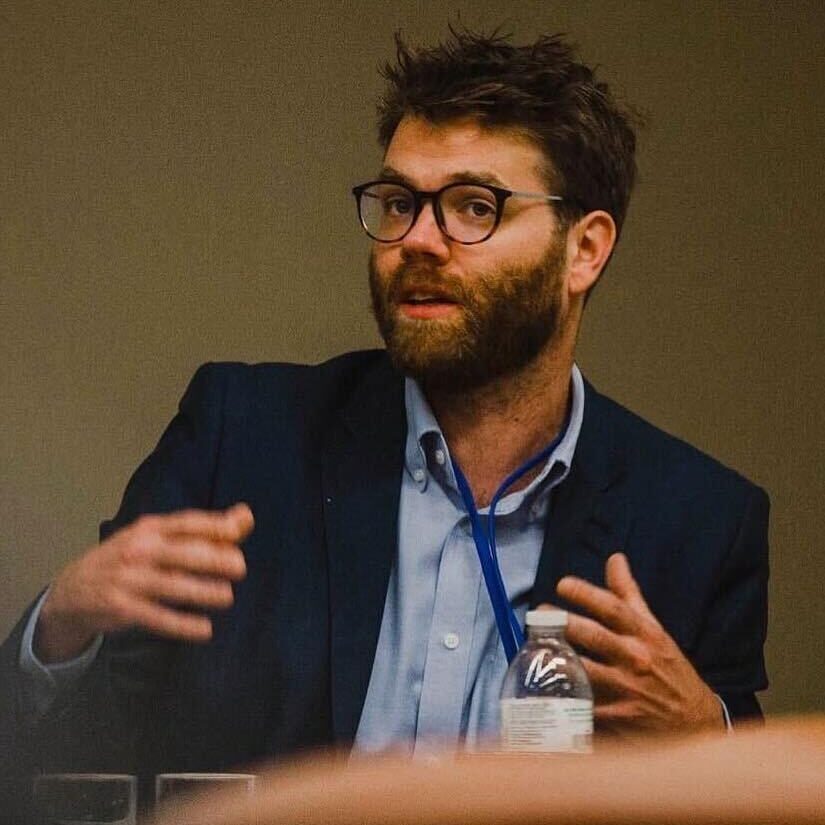
Michael J. Simpson is a historian, educator, farmer, and policy advocate from Providence, Rhode Island. He holds an A.M. in History from Brown University, an M.A. in World History from New York University, an M.A. in Classics from St. John’s College, and a B.A. in Philosophy and Religion from the University of Maine. He currently teaches United States history at Johnson & Wales University and previously at Roger Williams University.
Michael’s research focuses on Rhode Island’s colonial history, Indigenous history, slavery, the American Revolution, environmental history, and public memory. He is especially interested in how local landscapes preserve layered histories of land, labor, violence, resistance, agriculture, and community. His work often explores how small places can illuminate much larger stories about the Atlantic world, colonialism, race, law, and historical memory.